Where I've done it
2024 to now
Designed and built the platform a medical distributor runs on.
When I started, product setup, insurance verification, ordering and manufacturer invoicing ran on spreadsheets, email and shared drives. Nobody could see where an order stood without asking. I couldn't find a product that covered the path from referral to delivery, so I built one.
It takes a provider through the manufacturer's verification form, checks the order against Medicare coverage rules, submits it, tracks it to delivery and schedules the resupply. It is built for HIPAA, with role-based access, encryption and an audit log on every step. In 2025 the business ran about 100 orders a week through it. It was later spun out as a multi-tenant product for manufacturers and care facilities.
2022 to 2024
Asked to run operations a year after joining as an engineer.
I joined as a senior engineer and was running front-end engineering five months later. As VP of Operations I reorganized the divisions, stood up a PMO in two weeks, and ran product, design and delivery as one team, with five to seven direct reports. I tended to be handed the people who had no one else to report to.
2020 to 2022
Taught myself to write software.
My first engineering job was at a large San Diego health system, where I moved a legacy application to React and built the scheduling tools for virtual, urgent-care and emergency-department visits.
2016 to 2020
Where I learned to build software.
I co-founded a software company for construction job-site documentation. I managed the build of the first version, then rebuilt it in React and React Native for enterprise customers.
2013 to 2015
Stayed on after the sale and ran a division nationwide.
USIC, the national leader in utility locating, acquired Safe Site in 2013. I ran its diversified services division afterwards.
2005 to 2013
Under $1M to about $20M and almost 300 employees.
I co-founded a utility-locating company in Denver at 23 and ran its operations with 16 direct reports. We grew it through a recession and onto the Inc. 500.
I replaced hand-drawn field documents with software I designed and added a subsurface utility engineering line worth about $3M a year. Turnover stayed under 15% in an industry known for churn.
About me
I started in field operations and came to software late. For eight years I ran the operating side of a company I co-founded, and after we sold it I kept running into the same problem: the work I wanted to fix lived inside software I couldn't change. So in 2016 I started learning to build it, first by managing a product build at Docusite and then by writing the code.
In 2020 I took my first engineering job, at a health system, and I have worked in healthcare since. At The Public Health Company I was hired to write software and ended up running operations. At Everest I was hired to run operations and ended up writing the software. I've stopped treating those as two careers. I'm most useful where a business needs someone who can run the operation, see what is broken in it, and build the fix.
I live in Sun Valley, Idaho, which means fishing and mountain biking in the summer and skiing in the winter. Most of my time off goes to my family, including two pit bulls, Sanger and Leia, and to my nephews. I love to travel, and I'm usually tinkering with some new technology or idea.
I have a BS in business management from Metropolitan State University of Denver, and did graduate coursework in computer science at Boston University.
Why healthcare first
Healthcare is where I go deepest. I know how the paperwork and the money move: insurance verification, prior authorization, Medicare coverage rules and billing codes, across distribution, physician groups and skilled nursing. I integrated the wound-care module in PointClickCare with eClinicalWorks.
I also take on other regulated, paperwork-heavy businesses.
What I'm building now
I build with AI coding agents. Writing the code is the easy part now, so most of my effort goes into checking it: every change passes an independent review and the project's tests before I approve it, and every run has a spending cap.
Clozure · TypeScript · private
From insurance verification to a complete claim package, in one place.
The platform I built to run a medical distributor, rebuilt as a product for wound-care manufacturers and care facilities. It is built for HIPAA, with field-level encryption and a tamper-evident audit log.
Spren · Python · pre-alpha, not public yet
An engine that turns a written task into a reviewed pull request.
AI agents do the work in an isolated copy of the code. A second model from a different vendor reviews it, the project's own checks run, and a person gets one pull request to approve. If it can't get there inside its budget, it stops and says why.
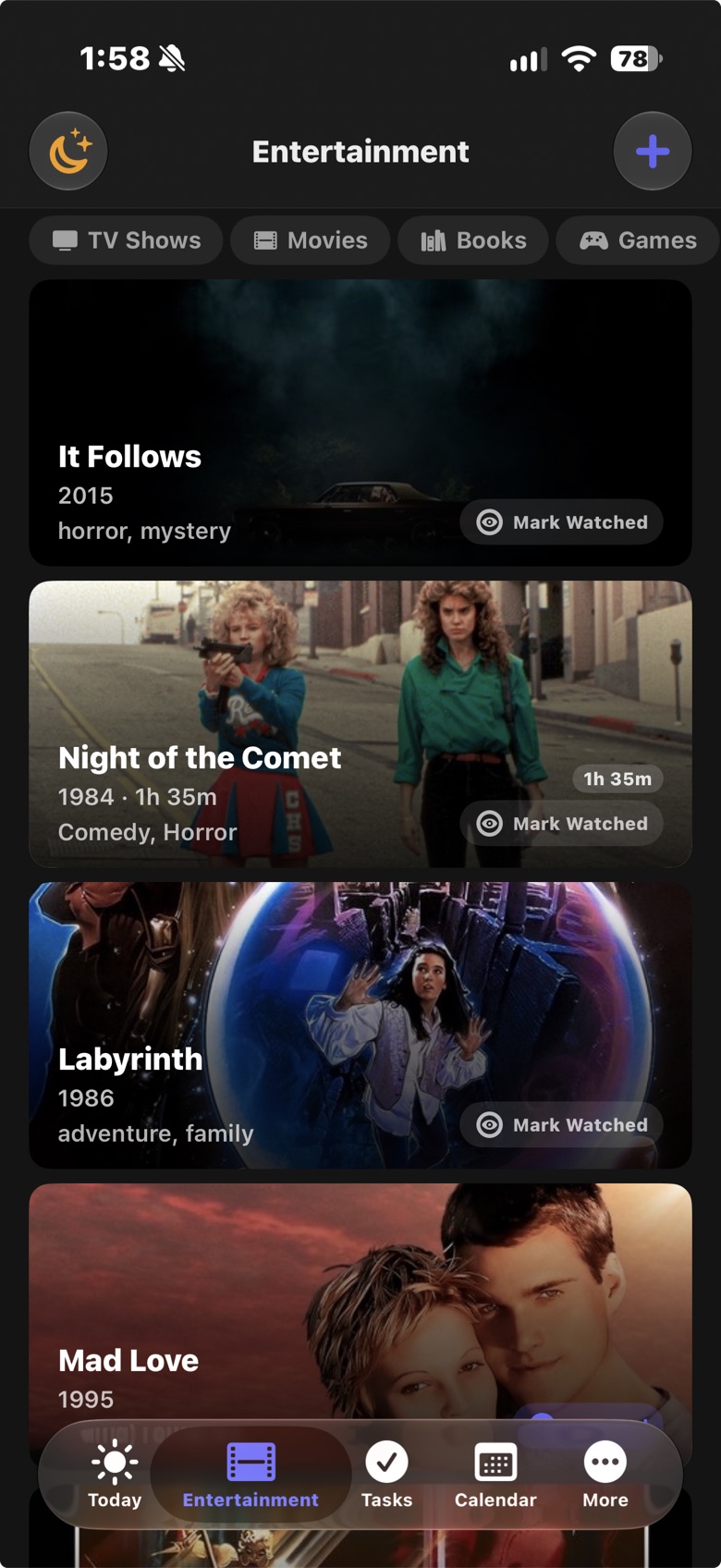
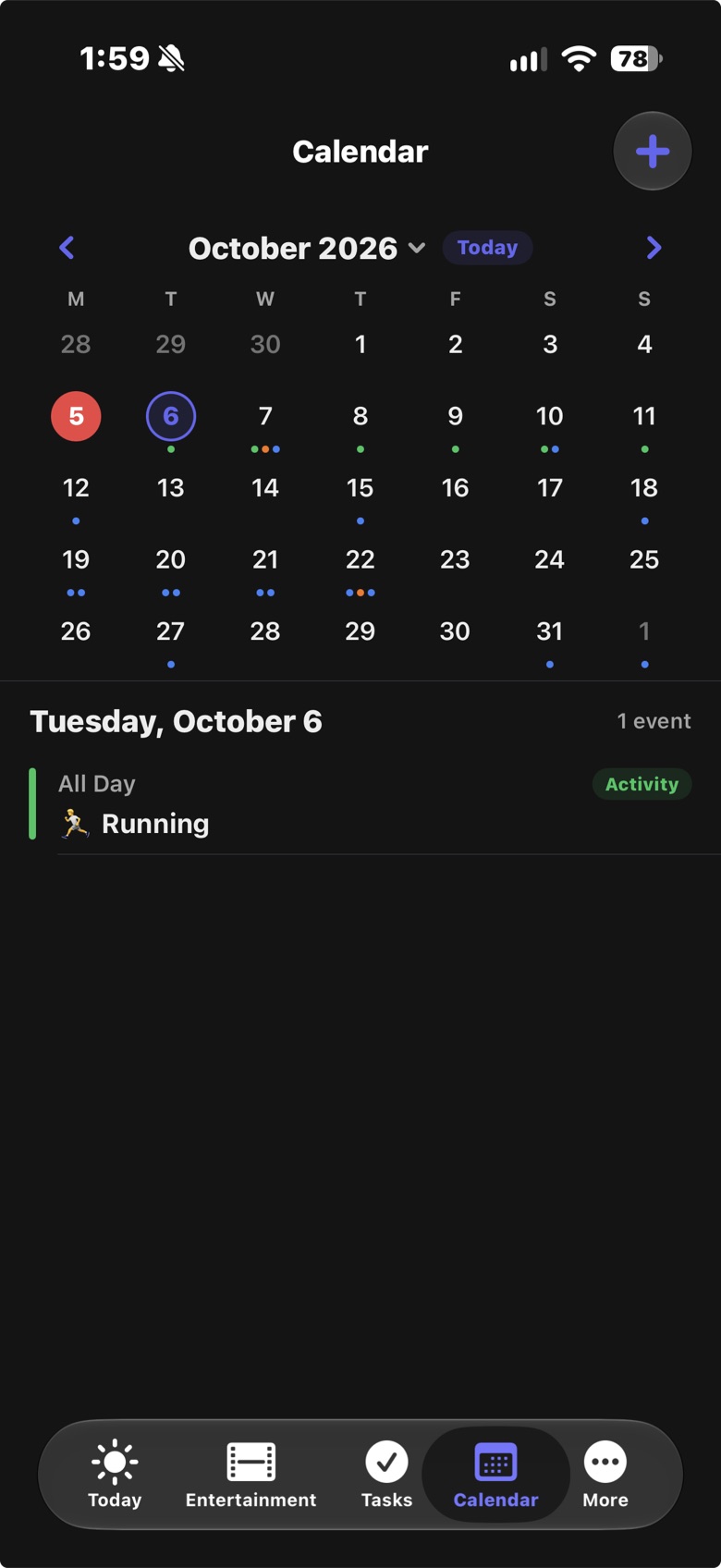
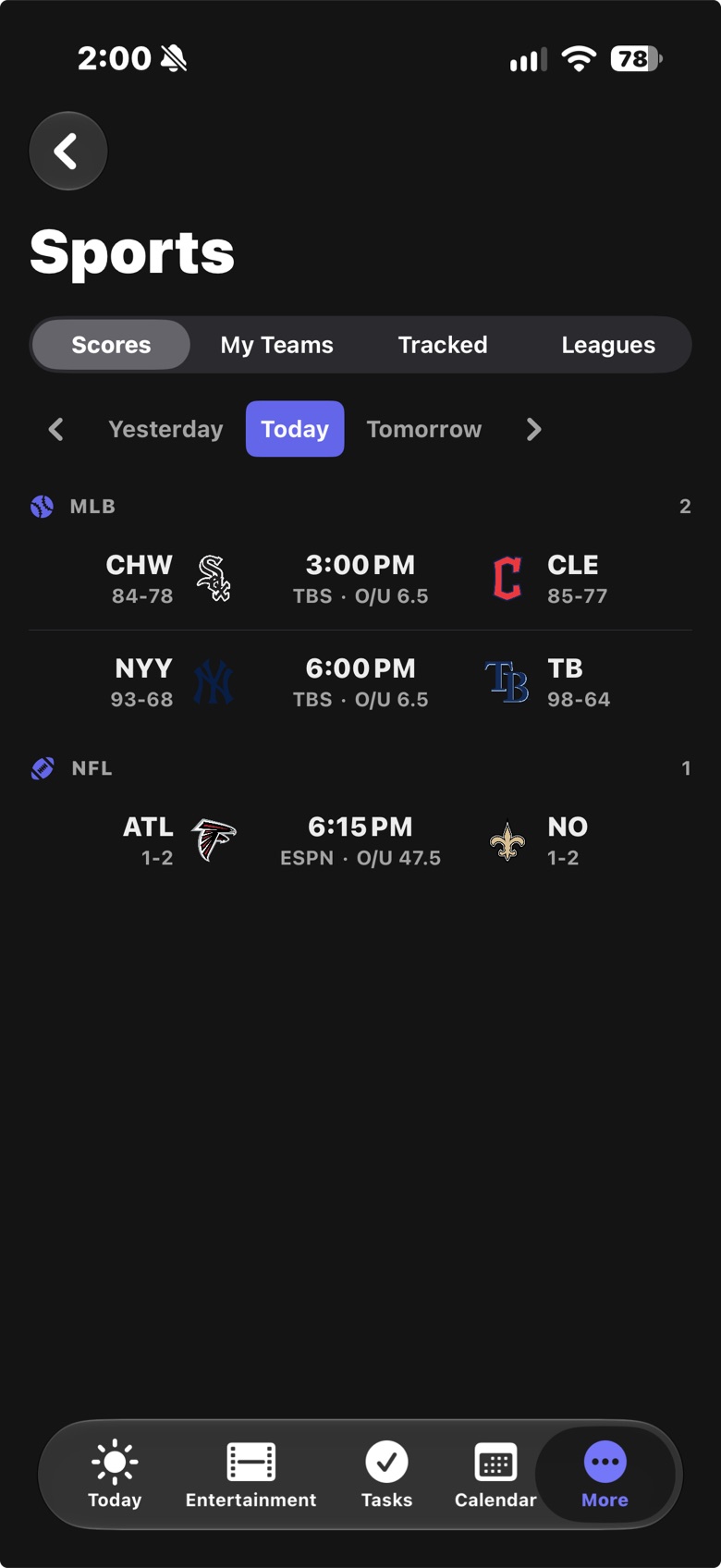
LifeOS · Swift and TypeScript · private, on TestFlight
The app I run my own life on.
Tasks, habits, goals, calendar, travel and health in one place, as a native iOS app and a web app.
Contact
If someone sent you here, tell me who and what's breaking.
I'm taking on new work now. Most of it comes through introductions.